
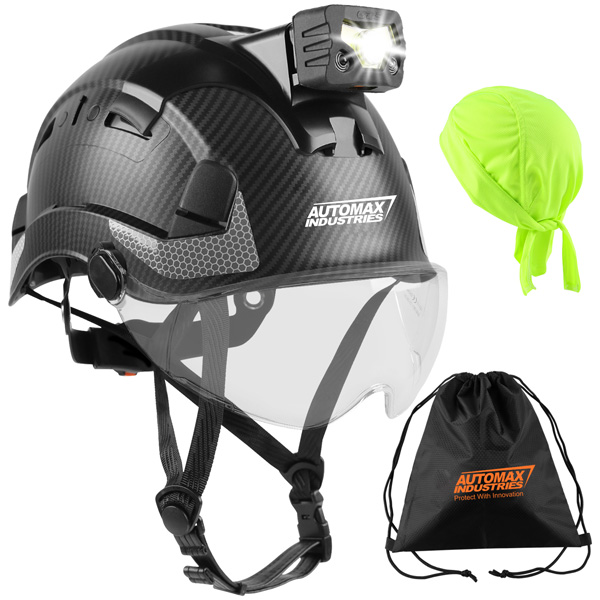
Cleaning a safety helmet requires mild soap, warm water, and a soft cloth. Harsh chemicals or solvents damage the shell and suspension. AutoMax manufactures custom head protection PPE, emphasizing that regular cleaning preserves integrity. The process involves wiping the exterior, rinsing thoroughly, and air drying away from direct heat.
Vraag een offerte op maat aan voor industriële veiligheidshelmen bij AutoMax
What do you need to clean a safety helmet?
A proper clean safety helmet routine starts with gathering the right supplies. Using incorrect materials causes permanent damage to the shell and suspension system. Safety managers and supervisors lose helmets prematurely when harsh chemicals degrade the protective materials.
What cleaning supplies are safe for a safety helmet?
The essential kit includes mild soap, warm water, a soft cloth, and a non-abrasive sponge. These basic tools remove dirt and grime without compromising the helmet’s structural integrity. A clean, dry towel handles the initial drying. The final step requires a well-ventilated area where the helmet air-dries completely before storage or reuse.
What cleaning products should never touch a safety helmet?
Harsh chemicals destroy protective headgear. Solvents, bleach, and petroleum-based cleaners attack the helmet’s shell material and weaken the suspension system. Damage from these substances often goes unnoticed until the helmet fails during an impact. Following proper Cleaning PPE guidelines means sticking exclusively to mild soap and water. No shortcuts exist here.
How does proper drying affect safety helmet maintenance?
Effective safety helmet maintenance depends on thorough drying. Trapped moisture breeds bacteria and accelerates material breakdown inside the suspension. A dry towel removes surface water after washing. The helmet then needs open air circulation in a ventilated space. Rushing this step or storing a damp helmet shortens its service life and creates hygiene risks for the wearer.
How do you prepare the helmet for cleaning?
Preparing a clean safety helmet properly prevents damage during washing and catches defects before they become hazards. Skipping this step risks overlooking cracks or worn components that compromise protection. A disciplined pre-cleaning routine follows four essential actions.
What should be removed from a helmet before cleaning?
Every accessory must come off first. Workers detach earmuffs, visors, and sweatbands to expose all shell surfaces. This complete disassembly ensures no debris hides behind attached components.
Remove all accessories, including earmuffs, visors, and sweatbands.
Inspect the shell thoroughly for cracks, dents, or visible wear.
Set aside any damaged helmet for immediate replacement, not cleaning.
Disassemble the suspension system following the manufacturer’s instructions.
Why inspect a helmet before washing it?
Damage hides in plain sight. A thorough inspection reveals cracks or dents that make a helmet unsafe. AutoMax manufactures custom head protection built for demanding environments, but even quality gear wears out. Any helmet showing structural flaws gets replaced immediately. Cleaning a compromised unit wastes time and creates a false sense of security.
The suspension system deserves special attention. Following the manufacturer’s instructions, workers separate straps and clips to clean each part individually. This method reaches sweat and grime trapped in adjustment mechanisms. Proper safety helmet maintenance demands this level of care. Skipping disassembly leaves contaminants that degrade materials over time.
What are the steps to clean a safety helmet?
A clean safety helmet requires a methodical process that protects both the shell and the suspension system. Skipping steps or using harsh chemicals compromises the helmet’s structural integrity. Safety managers and industrial workers who follow proper Cleaning PPE guidelines prevent premature equipment failure and maintain compliance with workplace safety standards.
Vraag een offerte op maat aan voor industriële veiligheidshelmen bij AutoMax
What supplies are needed for safety helmet maintenance?
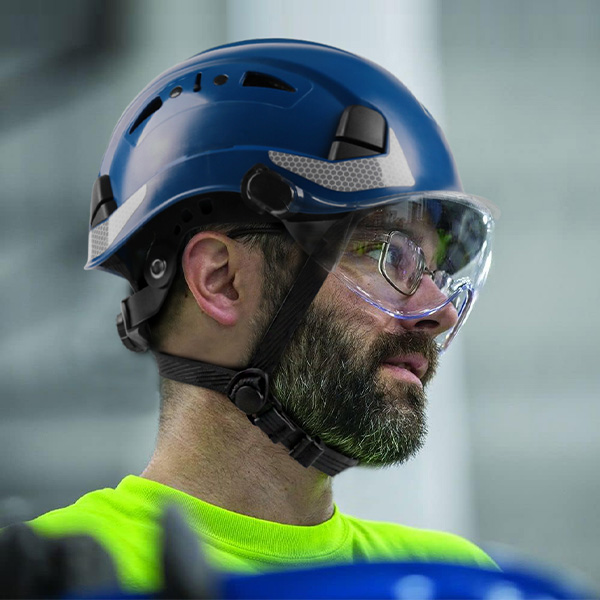
Gather the materials before starting. The process requires mild soap, warm water, a soft cloth or sponge, a clean towel, and access to a shaded, well-ventilated area for drying. Harsh solvents, abrasive pads, and strong detergents damage the helmet’s materials. AutoMax manufactures custom head protection PPE designed to withstand regular cleaning when the right supplies are used.
Safety helmet maintenance depends on consistency. A small kit with these basic items makes routine cleaning quick and repeatable.
How often should a safety helmet be cleaned?
Monthly cleaning works for most environments. High-exposure settings demand more frequent attention. Sweat, dirt, and job-site debris accumulate inside the suspension system and against the wearer’s skin. Regular inspection reveals when cleaning is overdue. AutoMax supports partners with OEM/ODM services that include guidance on maintenance schedules tailored to specific work conditions.
Follow these steps in order:
Prepare the cleaning solution. Mix a small amount of mild soap with warm water to create a gentle cleaning solution. The mixture should produce light suds without being overly concentrated.
Wipe the outer shell. Dip a soft cloth or sponge into the solution, wring it out thoroughly, and gently wipe the helmet’s outer shell. Excess water dripping into seams or vents causes problems later.
Clean the suspension system separately. Remove the suspension system and clean it using the same mild soap solution. Pay attention to the headband and straps where sweat and oils collect.
Rinse all parts. Rinse every component with clean water. Soap residue left behind attracts dirt and irritates skin.
Dry the components. Use a clean towel to remove surface moisture from all parts. Then let them air-dry completely in a shaded, well-ventilated area. Direct sunlight degrades helmet materials over time.
Reassemble only when fully dry. Reassemble the helmet only after every part is fully dry to prevent mold or mildew growth. Trapped moisture inside the suspension system creates a health hazard and shortens the equipment’s service life.
Can a safety helmet be submerged in water?
Submersion is not recommended. Soaking forces water into internal layers and adhesives that are not designed for saturation. Surface cleaning with a damp cloth preserves the helmet’s protective properties. AutoMax designs head protection products that respond best to the controlled cleaning method described above.
What common mistakes should you avoid?
Proper care extends a helmet’s service life. Common cleaning errors, however, quickly degrade protective performance. Safety managers and supervisors see these mistakes shorten equipment lifespan and create preventable hazards.
What cleaning products damage a safety helmet?
Harsh chemicals pose a serious threat to helmet integrity. Workers should never use solvents, gasoline, or paint thinners on any head protection. These substances weaken the shell material at a molecular level. The damage often remains invisible until impact occurs, effectively voiding the safety rating without any outward sign of failure.
Can you submerge a helmet to clean it?
Submerging a clean safety helmet in water causes hidden deterioration. Water penetrates the suspension system and padding, leading to material breakdown over time. Proper safety helmet maintenance relies on surface wiping with a damp cloth instead. This approach protects internal components from moisture damage while still removing daily grime.
Why should you avoid abrasive cleaning tools?
Scratches are more than cosmetic blemishes on protective equipment. Abrasive scrubbers and stiff brushes create micro-grooves in the shell surface. These imperfections become stress concentration points that reduce impact resistance. Following sound Cleaning PPE guidelines means using only soft cloths or sponges. A scratched helmet cannot distribute force as engineered, leaving the wearer vulnerable during a strike.
How do you inspect the helmet after cleaning?
A thorough post-cleaning inspection confirms the helmet still provides full protection. Safety managers and supervisors should treat this step as non-negotiable. Skipping it leaves workers vulnerable to head injuries that a compromised shell cannot prevent.
Vraag een offerte op maat aan voor industriële veiligheidshelmen bij AutoMax
What should a supervisor look for on the helmet shell?
The shell demands the first and most careful look. Check for new cracks, discoloration, or any deformation that signals structural damage. Even hairline fractures weaken impact resistance. AutoMax manufactures head protection PPE designed for demanding work environments, and the company emphasizes that visible shell damage means the helmet must come out of service immediately.
How do you check the suspension system?
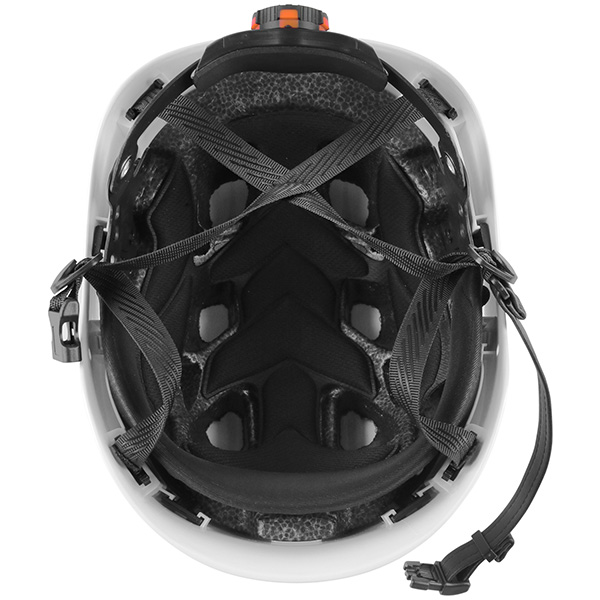
Next, examine the suspension system closely. Look for frayed straps, loose rivets, or stretched webbing. These flaws compromise fit and stability. A helmet that shifts on the wearer’s head during a fall cannot distribute force correctly. Replace any suspension component showing wear right away.
Inspect the suspension system before reattaching it to the shell.
Flex each strap gently to reveal hidden cracks or thinning material.
Test every rivet and attachment point for tightness.
Confirm the adjustment mechanism locks securely without slipping.
Are labels and markings part of the inspection?
Labels and markings carry critical safety information and compliance data. Verify every label remains fully legible after cleaning. Faded or peeling markings create a compliance gap that puts crews at risk. AutoMax’s OEM and ODM services help safety brands build reliable private-label product ranges, and those products depend on intact labeling for traceability and standards confirmation.
Replace any part that shows signs of wear or damage immediately. Delaying that decision erodes the helmet’s protective integrity. A disciplined inspection routine keeps every clean safety helmet ready for the next shift. Following consistent Cleaning PPE guidelines and safety helmet maintenance practices protects the workforce and extends the service life of quality head protection.
Veelgestelde vragen
What supplies do I need to clean a safety helmet?
Mild soap, warm water, a soft cloth, and a non-abrasive sponge. A clean, dry towel handles initial drying.
What cleaning products should I avoid on a safety helmet?
Harsh chemicals, solvents, bleach, and petroleum-based cleaners. These damage the shell and suspension system.
How should I dry a safety helmet after cleaning?
Remove surface water with a dry towel, then air dry completely in a well-ventilated area away from direct heat.
Conclusie
So there you have it, a straightforward routine that keeps your helmet clean and your protection intact. Stick with mild soap, soft cloths, and a thorough dry, and you’ll avoid the common mistakes that shorten a helmet’s life. Make this cleaning and inspection process a regular habit, and you’re not just maintaining gear, you’re actively protecting your crew.
 English
 Deutsch
 Français
 Polski
 Português do Brasil
 Español
 日本語
 Русский
 العربية
 Italiano
 Nederlands
 Türkçe
 한국어