
Safety helmets carry a recommended replacement date, not a strict expiry like food. AutoMax notes that hard hats have a suggested replacement timeframe, typically found stamped inside the shell. Past this date, the helmet’s protective performance degrades, making it unsafe for use on any job site.
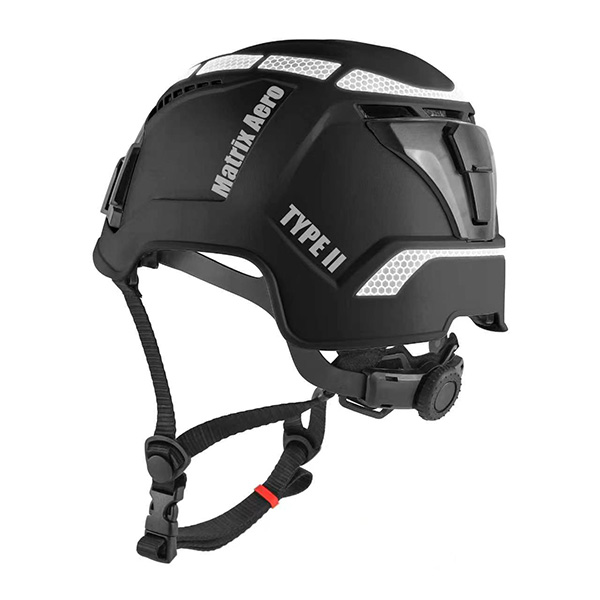
Fordern Sie bei AutoMax ein individuelles Angebot für Arbeitsschutzhelme an
Do Safety Helmets Really Expire?
Safety helmets carry a maximum lifespan, often called an expiry date. This date is not stamped like a food label, yet it determines whether the helmet still protects as designed.
A helmet past its lifespan becomes a liability. The materials degrade over time, and the shell loses its ability to absorb impact. When a hard hat is past its expiry date, it might not perform like it should. It is not safe to use anymore. Safety managers who overlook this timeline risk exposing workers to preventable head injuries. The cost of a replacement helmet is trivial compared to the cost of a failed one.
How long does a safety helmet last?
Most manufacturers set a service life of 3 to 5 years from the date of first use. This window assumes normal working conditions without damage. Harsh environments shorten that window considerably. Sunlight, chemicals, and temperature swings accelerate material breakdown.
What happens if a helmet is used past its expiry?
The shell becomes brittle. The suspension system weakens. A degraded helmet transfers more force to the wearer’s head during an impact. The protection rating printed on the label no longer applies. A safety helmet expiry date is a hard stop, not a suggestion.
AutoMax manufactures custom head protection PPE for professional work environments. The company’s OEM and ODM service builds private-label product ranges with various protection options and configurations. A disciplined PPE replacement schedule keeps every unit on a job site within its certified service window. Procurement officers who source through AutoMax receive helmets with clear manufacturing date stamps. That stamp anchors the replacement timeline. Track it from day one. Replace the unit before the deadline. No exceptions.
What’s the Typical Safety Helmet Expiry Date?
A typical safety helmet expiry date falls within a 3 to 5 year window from its service start. This lifespan applies when the helmet remains undamaged and operates in good working conditions. Storm Procurement notes that hard hats used without incident in clean environments carry this 3 to 5 year maximum lifespan. The clock starts ticking on the day the helmet is first worn, not the manufacture date stamped inside the shell.
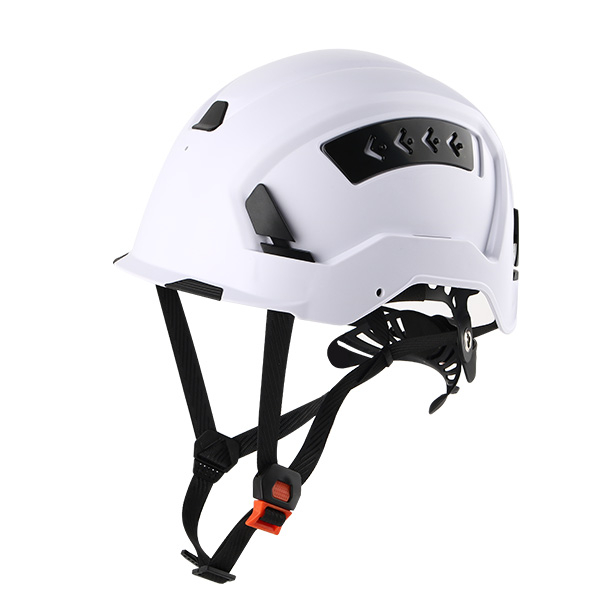
Fordern Sie bei AutoMax ein individuelles Angebot für Arbeitsschutzhelme an
How Does the Manufacturer’s Date Affect the Expiry?
The date stamp inside a helmet marks production, not expiration. Safety managers calculate the replacement timeline by adding the service life to the date of first use. A helmet manufactured in one year but issued in a later year expires based on that later start date. This distinction prevents premature disposal of properly stored, unused inventory.
What Does OSHA Say About Helmet Expiration?
OSHA mandates that all hard hats comply with the ANSI/ISEA Z89.1-2014 standard for Industrial Head Protection. However, the agency does not explicitly state a specific hard hat expiration requirement. Ergodyne confirms that OSHA leaves replacement schedules to manufacturers and internal safety programs. Compliance officers look for adherence to the manufacturer’s guidelines, not a federal expiry date.
A PPE replacement schedule formalizes this process. Without a documented schedule, organizations risk relying on guesswork. A structured program tracks issue dates, inspects for damage, and flags helmets approaching the end of their service window. AutoMax supports private-label helmet programs with customization, sampling, quality control, and export coordination. This support helps distributors build compliant product ranges that make replacement tracking straightforward for end users.
How Do You Check the Date Code?
A hard hat’s date code is rarely printed on the outside like a sell-by label. The information is typically molded into the inner shell. Safety managers and site supervisors must look inside the helmet to find it. Missing this detail means relying on degraded protection without realizing it.
What Does the Date Code Look Like?
The marking is a small, stamped circle or clock-like symbol. It shows the month and year of manufacture. This embedded code establishes the starting point for the PPE replacement schedule. Ignoring it puts workers at risk from materials weakened by UV light, heat, and daily wear.
Where Exactly Is the Date Code Located?
Inspectors should follow a specific sequence to locate the code efficiently.
Remove the suspension system if it blocks the view of the inner shell.
Hold the helmet under direct light and scan the crown’s interior surface.
Look for a circular indentation with an arrow pointing to a number and a dial.
Check the brim’s underside if the crown shows no marking.
The inspection must cover the inner shell thoroughly. Cracks or dents often hide in the same area as the date stamp. A helmet with visible damage needs immediate replacement, regardless of the date.
Can the Expiry Date Be Calculated From the Code?
Yes. The date code reveals the birth date of the helmet, not its expiration. Most manufacturers set a maximum service life of 3 to 5 years from that manufacture date. The countdown for replacement starts once the helmet is placed into service. AutoMax ensures clear, permanent date codes are embedded into its private-label safety helmets. Custom colors, logos, and suspension systems do not obscure these critical markings. A clear safety helmet expiry date calculation depends on a legible stamp and a strict replacement policy.
When Should You Replace the Shell vs. Suspension?
A hard hat’s shell and suspension wear at different rates. Safety managers need separate replacement criteria for each component to maintain a compliant PPE replacement schedule.
Damage to the shell demands immediate action. A hard hat should be replaced right away if it gets damaged, even when it was issued on the same day. Visible dents, scratches, and cracks are obvious signs that a shell needs replacing before the standard three-year lifespan. Minor imperfections like scores or scuffs might seem harmless. They still compromise structural integrity.
The suspension system degrades differently. Straps stretch, anchors loosen, and plastic clips become brittle over time. A loose suspension cannot hold the shell at the correct standoff distance from the head. That gap is what absorbs impact. Without it, the shell transmits force directly.

Fordern Sie bei AutoMax ein individuelles Angebot für Arbeitsschutzhelme an
How does shell appearance signal replacement time?
A glossy finish on the shell indicates material integrity. Once a hard hat loses its glossy finish, degradation has likely begun. The surface becomes chalky or dull. This change means UV exposure and environmental factors have broken down the outer layer. Replacement follows immediately.
What triggers suspension replacement before the shell?
Suspension components fail from daily wear. Sweat, oils, and constant adjustment weaken the straps. Cracks in the plastic headband or stretched sizing mechanisms mean the suspension no longer fits securely. Replace the suspension the moment it loses tension. A shell in perfect condition offers zero protection with a failed suspension.
AutoMax supports complete replacement programs with options for helmet-mounted accessories and private-label packaging. Procurement officers can source matched shells and suspensions that simplify tracking the safety helmet expiry date across large workforces.
How Do You Build a PPE Replacement Schedule?
Building a PPE replacement schedule starts with two non-negotiable inputs. The manufacturer’s stated service life sets the outer boundary. Visible damage triggers immediate action, regardless of the calendar date. A practical schedule accounts for both factors, ensuring no worker ever relies on degraded equipment.
What Is the Standard Service Life for a Hard Hat?
Hard hats used in good working conditions and free from damage carry a lifespan of 3 to 5 years, according to Storm Procurement’s 2025 guide. This window serves as the maximum replacement interval. The schedule must flag every helmet for mandatory retirement once it reaches the end of this period. Tracking the date of first use alongside the manufacturing date is essential to calculate the replacement window accurately.
When Should a Hard Hat Be Replaced Immediately?
A hard hat requires replacement the moment it sustains damage. Safety 1st NZ emphasizes that a damaged unit must be replaced right away, even if it was issued on the same day. Dents, cracks, and scratches are clear disqualifiers. The schedule should empower supervisors to pull any suspect unit from service instantly, bypassing the standard timeline.
A disciplined schedule follows a numbered sequence:
Log the manufacturing date stamped inside every helmet upon deployment.
Calculate the mandatory retirement date using the 3 to 5 year window.
Conduct monthly visual inspections for cracks, dents, and shell deformation.
Remove and destroy any unit that fails inspection or reaches its retirement date.
Record the replacement to maintain a complete audit trail for compliance officers.
AutoMax supports this process by manufacturing custom head protection with consistent quality and practical design. The company collaborates globally to enhance product presentation, helping distributors and retailers build reliable private-label ranges that fit seamlessly into any replacement program.
Häufig gestellte Fragen
How long does a safety helmet last?
Most manufacturers set a service life of 3 to 5 years from the date of first use under normal working conditions.
Does the manufacture date determine the expiry?
No, the replacement timeline starts from the date of first use, not the manufacture date stamped inside the shell.
Fazit
So, the answer is clear: safety helmets do have an expiry date, and it’s tied to a strict replacement schedule. Your next step is to check the date code inside every shell and log that manufacture date. From there, build a simple tracking system that flags each unit for retirement within the standard service window. A damaged helmet gets pulled immediately, no exceptions. That’s how you keep every worker protected and your compliance record solid.
 English
 Deutsch
 Français
 Polski
 Português do Brasil
 Español
 日本語
 Русский
 العربية
 Italiano
 Nederlands
 Türkçe
 한국어