
Safety helmets typically last up to five years from the date of manufacture, though the exact lifespan depends on the shell material and workplace conditions. We manufacture custom head protection PPE and hearing protection PPE with clear expiry dates, so safety managers should inspect helmets regularly and replace them once that date passes.
Get a Custom Industrial Safety Helmet Quote From AutoMax
What is a safety helmet lifespan?
A safety helmet lifespan is the maximum recommended service window for head protection. After this period, the helmet requires replacement even if the shell appears undamaged. Hard hats share something unexpected with food: both carry an expiry date. Past that date, the helmet may not perform as designed, leaving workers exposed to preventable head injuries.
The lifespan is not a use-by date stamped on the shell. Safety managers must track it themselves. The date gets marked during manufacturing, but it does not appear as a simple printed label. Instead, it is embedded in a date stamp or clock symbol molded into the helmet’s interior. Missing this detail means relying on gear that has silently degraded.
Why do safety helmets have a maximum lifespan?
Materials degrade over time. UV exposure, temperature swings, and everyday wear break down the shell’s protective resins. A helmet that looks fine on the outside may have lost critical impact resistance. The degradation is invisible, which makes the timeline non-negotiable.
How is the lifespan different from a damage inspection?
A damage check catches visible cracks, dents, or scratches. The lifespan addresses hidden material fatigue. A helmet can pass a visual inspection and still be unsafe because its polymers have weakened. Both checks matter, but they serve different purposes. AutoMax, which manufactures custom head protection PPE, understands that material science dictates replacement schedules, not just surface condition.
How long do safety helmets actually last?
A safety helmet lifespan typically reaches five years from the date of manufacture. Most hard hat manufacturers recommend replacement at the five-year mark as a standard guideline. The materials degrade over time. Without visible damage and under good working conditions, the functional window narrows to three to five years.
When to replace safety helmet equipment depends on more than just the calendar. Helmets used in harsh environments age faster.
What shortens a safety helmet’s service life below five years?
A helmet should be replaced before the five-year mark if it shows cracks, discoloration, or impact damage. Even a single hard blow compromises the protective shell. Daily exposure to sunlight, chemicals, and temperature swings accelerates material fatigue. Regular inspections catch these problems early.
Does the helmet type affect how long it lasts?
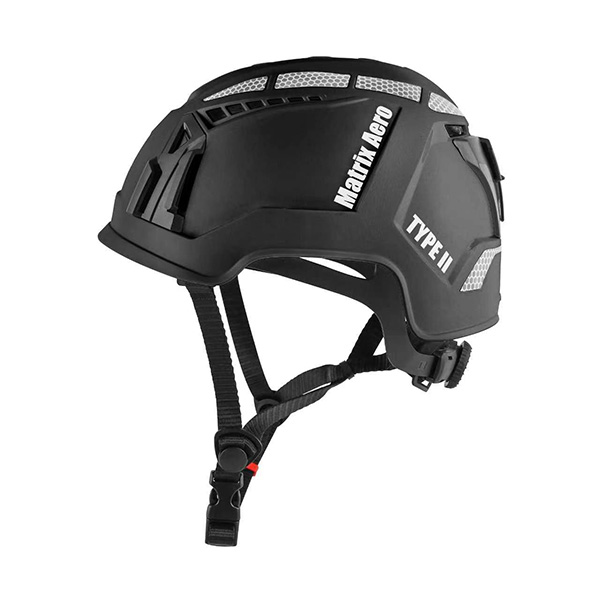
The type of protection does influence service expectations. We manufacture custom head protection PPE and hearing protection PPE. Type I designs protect against top impacts. Type II helmets also guard against lateral blows. A Type II helmet’s more complex structure may wear differently under consistent side-impact stress. The working environment, not the type alone, determines how quickly a helmet degrades.
Maintenance habits matter as much as the expiration date. A helmet stored in a clean, cool location lasts longer than one left on a dashboard or near solvents. Cracks and fading mean the suspension system has also aged. Replacing the entire unit eliminates the risk of a brittle shell failing when it counts.
When to replace safety helmet before the date?
A safety helmet requires immediate replacement the moment damage appears, regardless of the printed date. The calendar provides a maximum service window. Visible deterioration overrides that timeline entirely.
Safety managers and site supervisors face a clear priority. Damage trumps the date. Every time.
Get a Custom Industrial Safety Helmet Quote From AutoMax
What visible damage signals immediate replacement?
A helmet showing visible dents, scratches, and cracks needs to come out of service right away. These defects compromise the shell’s structural integrity. Even a helmet issued the same morning must be replaced if it sustains damage, according to guidance from Safety 1st NZ. The rule leaves no room for judgment calls. Damage equals replacement.
Surface degradation offers another clear signal. A helmet that loses its glossy finish indicates the shell material is breaking down. That dull, chalky appearance means the polymer has started to degrade. Protection is already compromised.
Where should inspectors look for hidden damage?
The outer shell tells only part of the story. Inspectors must examine the inner shell as well. Storm Procurement notes that imperfections often hide on the interior surface, where suspension attachments and impact liners meet the shell. Cracks or stress marks inside the helmet are just as dangerous as external damage. A thorough inspection checks both surfaces every time.
AutoMax designs helmets with attention to detail and practical wear characteristics. The company’s focus on consistent quality means its products show clear degradation signals before failure occurs. That design philosophy helps safety teams spot problems during routine checks. A helmet that looks compromised almost certainly is compromised. The inspection protocol remains the same for any brand. Check the outside. Check the inside. Replace on any finding.
How do you check the expiration date?
Finding a hard hat’s expiration date requires looking inside the shell, not outside. The date stamp is not printed on the exterior like a food label. Safety managers and procurement officers must know exactly where to look because missing this detail puts workers at risk.
The search starts with removing any suspension system or interior padding. Most manufacturers mold the date code directly into the plastic, typically on the underside of the brim or inside the crown. A small clock-like symbol with numbers indicating month and year is the standard format. Some models use a simple stamped date instead.
What does the date stamp look like?
The stamp usually appears as a circular dial with an arrow pointing to a month and a two-digit year molded into the shell. Other manufacturers print the manufacturing date plainly. Either format serves the same purpose: establishing the safety helmet lifespan baseline.
Why is the date inside and not outside?
Placing the stamp inside protects it from wear. Exterior markings fade under sun exposure, abrasion, and job site conditions. An interior stamp remains legible longer, giving inspectors a reliable reference point for determining when to replace safety helmet units across a fleet.
OSHA requires all hard hats to comply with the ANSI/ISEA Z89.1-2014 standard for Industrial Head Protection, as noted by Ergodyne. However, OSHA does not explicitly state a hard hat expiration requirement. Manufacturers fill that gap with their own lifespan recommendations, typically ranging from 2 to 5 years from the date of manufacture. The date stamp becomes the starting line for that countdown.
For distributors building private-label product lines, clear lifespan labeling matters. AutoMax supports customization, sampling, and quality control, helping embed straightforward expiration guidance directly into packaging and documentation. This approach reduces confusion on job sites and simplifies compliance audits for safety officers managing large inventories.
What does this mean for your PPE program?
A hard hat expiration policy directly impacts worker safety and organizational liability. Head protection that exceeds its usable safety helmet lifespan becomes unreliable, exposing teams to preventable head injuries.
The stakes are concrete. A hard hat past its expiry date might not perform as designed, and it is not safe to use anymore. These items serve as a primary form of protection against major head trauma. Failing to track replacement cycles turns a compliance safeguard into a liability gap. Safety managers who overlook this detail risk injuries that proper equipment would have prevented.
When should a safety helmet be replaced proactively?
When to replace safety helmet units depends on both visible condition and age. Even without impact damage, materials degrade. Dents, scratches, and cracks signal immediate replacement needs. A helmet that looks intact but has exceeded its recommended service window still carries hidden risk.
Get a Custom Industrial Safety Helmet Quote From AutoMax
How does a structured replacement program reduce risk?
A formal replacement schedule removes guesswork. Teams that rotate stock based on manufacturing dates avoid the danger of expired units lingering in inventory. This approach also simplifies procurement forecasting. AutoMax supports this process through custom branding and packaging designed for local sales channels. The company’s global collaboration enhances product presentation and cross-selling opportunities, which strengthens distributor-led replacement programs. Consistent quality and attention to detail help safety managers maintain a reliable, compliant head protection inventory without last-minute scrambling.
FAQ
How long do safety helmets last?
Safety helmets typically last up to five years from the date of manufacture, though harsh environments shorten this window.
What shortens a safety helmet’s service life below five years?
Cracks, discoloration, impact damage, daily sunlight, chemicals, and temperature swings accelerate material fatigue and require early replacement.
Conclusion
So here’s the bottom line: check the date stamp inside the shell, inspect for visible damage on every surface, and replace any helmet that shows wear or exceeds its service window. Build that into your routine, and you remove the guesswork from head protection. Your team’s safety depends on equipment that performs when it matters most. Make the call before the damage does.
 English
 Deutsch
 Français
 Polski
 Português do Brasil
 Español
 日本語
 Русский
 العربية
 Italiano
 Nederlands
 Türkçe
 한국어